Why More Wollongong Families Are Installing Solar Before Summer
Every year, the same thing happens. Summer arrives, the air conditioning goes on and electricity bills start climbing. For families in Wollongong and the Illawarra, that seasonal pressure on the household budget is a familiar frustration, and one that more homeowners are choosing to get ahead of rather than absorb. Installing
solar in Wollongong before the warm weather hits is increasingly the practical choice for families who want lower bills during the months when power usage peaks. This post explains why the timing matters, what a residential solar system looks like for a family home and how battery storage can take the savings further.
Why Summer Puts Pressure on Wollongong Energy Bills
Wollongong summers are warm, humid and long enough to make air conditioning feel less like a luxury and more like a necessity. Running a ducted system or multiple split systems through November, December and January adds significantly to household electricity consumption, and that spike in usage lands at exactly the same time grid electricity prices tend to be at their highest due to increased demand across the network.
The combination of factors that pushes summer bills up:
- Air conditioning draws considerably more power than most other household appliances and runs for extended periods during hot stretches
- The coastal climate means humidity adds to discomfort even on days that are not extreme, keeping cooling systems running longer
- School holidays mean more people at home during the hottest parts of the day, increasing overall household consumption
- Pool pumps, fans and refrigeration all add to the baseline load during summer months
For a household that is not generating its own power, all of that consumption comes directly off the grid at the prevailing rate.
The Case for Installing Solar Before Peak Season
The logic behind installing solar panels in Wollongong ahead of summer rather than after it is straightforward. A system that is in place and producing before the hot weather arrives means the highest-consumption months are also the months generating the most solar output. Waiting until after summer means paying full grid rates through the peak period and then installing once the urgency has passed.
The practical advantages of pre-summer installation:
- Wollongong's summer sun is strong and consistent, meaning a correctly sized system generates well through the hottest months
- Installing in spring avoids the December and January rush, when installer booking times typically extend and availability tightens
- A system commissioned in October or November gives the household a full summer of solar benefit rather than catching only part of it
- Feed-in tariff credits from excess generation during long summer days can offset the cost of power used in the evening
Beyond the timing, there is also the question of which direction your roof faces and how much shade it receives. If you are wondering is your home solar-ready, our guide to the signs that a Wollongong home suits solar panels covers the key factors in plain language.
How Solar Helps Manage Air Conditioning Costs
Air conditioning and solar are a natural match in a way that is easy to underestimate until you see the numbers on your first post-installation bill. Solar generation typically peaks between 10am and 3pm, which overlaps directly with the hottest part of the day and the period when air conditioning demand is highest. Rather than drawing that cooling energy from the grid, a solar household is drawing it from the roof.
How solar reduces the cost of running air conditioning:
- A well-sized system can offset a significant portion of the energy drawn by ducted or split-system air conditioning during peak production hours
- The reduction in grid consumption during the middle of the day, when power is often at peak-demand pricing, has a direct impact on the quarterly bill
- Households that run air conditioning primarily during daylight hours will see a proportionally larger reduction in their grid consumption than those who run it late at night
- Multiple split systems across different rooms of the house can be staggered during solar production hours to maximise self-consumption of generated power
The relationship between solar output and cooling demand is one of the strongest arguments for residential solar for Wollongong families, given the local climate.
What a Solar System Looks Like for a Family Home
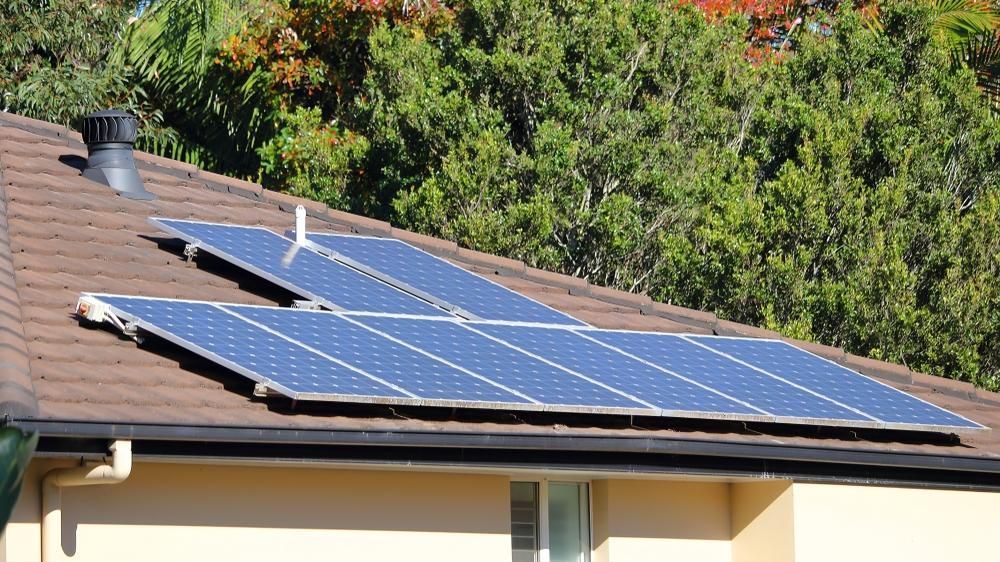
There is no single correct solar system size for every household, and a recommendation that works for a small unit is unlikely to suit a four-bedroom home with a pool and ducted air conditioning. The right system is sized based on the household's actual consumption, the roof space available and how the family uses power through the day.
A general guide to what suits a typical family home:
- A household using 20 to 30 kilowatt hours per day is commonly suited to a system in the 10 to 13 kilowatt range, though this varies depending on roof orientation and shading
- North-facing roof panels produce the most consistent output across the day, while east and west-facing panels can extend morning and afternoon generation respectively
- Modern panels are more efficient than systems installed five or more years ago, meaning a smaller roof footprint can produce a comparable output
- Quality inverter selection is as important as panel quality, as the inverter manages how the generated power is converted and distributed within the home
A proper site assessment accounts for all of these variables rather than applying a standard package to every home. For families in Wollongong, it is also worth understanding what
solar rebates in Wollongong are currently available, as federal and state incentives can meaningfully reduce the upfront cost of installation.
Solar Batteries: Getting More Out of Summer Sun
A solar system without a battery generates power during daylight hours and exports anything the household does not immediately use back to the grid at the feed-in tariff rate. That rate is typically lower than the cost of buying power from the grid, which means the economics of a battery-only system shift once the sun goes down. A solar battery storage system captures the excess generation during the day and stores it for use in the evening, when grid consumption would otherwise resume.
What battery storage adds to a residential solar setup:
- Evening hours, when solar generation has stopped but air conditioning may still be running, can be powered from stored energy rather than the grid
- Battery storage reduces the household's reliance on grid power across a full 24-hour cycle rather than just during daylight hours
- In the event of a grid outage, some battery configurations provide backup power to essential circuits in the home
- The combination of solar generation and battery storage positions a household to take maximum advantage of the long summer days, when generation is at its highest
Battery technology has improved and the cost per kilowatt hour of storage has decreased considerably, making it a more accessible addition to a residential system than it was even a few years ago.
Getting Set Up Before the Heat Hits
Installation lead times are a practical consideration that catches some homeowners off guard. During the spring and early summer rush, installer availability compresses and the window between enquiry and commissioned system narrows. Planning ahead gives a household the choice of installer, the time to properly assess system options and the certainty of having the system producing before the hottest months arrive.
Steps that make the pre-summer window work in your favour:
- Get a site assessment done early, ideally in September or October, so the recommendation is based on accurate roof and consumption data
- Confirm the system size, panel type and inverter before the busy period drives up booking times
- Allow time for the network connection application, which is a required step before a system can be switched on and varies in processing time
- Factor in any battery installation if that is part of the plan, as it adds to the overall commissioning timeline
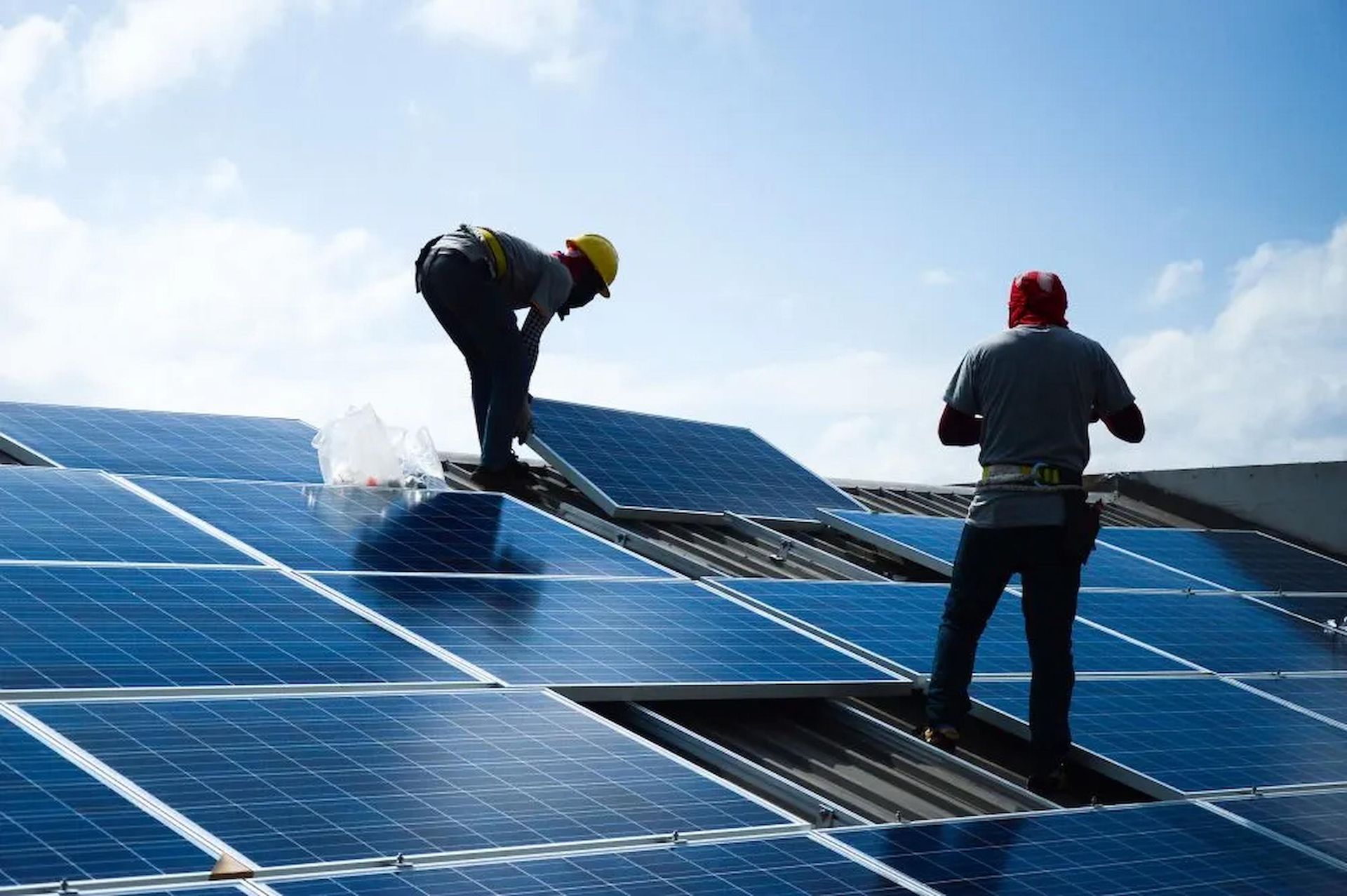
For Wollongong solar installations, working with a licensed local electrician who understands the local grid connection requirements and council considerations takes a lot of the uncertainty out of the process.
Ready to Get Your System in Place Before Summer?
We at SEP Electrical have been installing and servicing solar near me searches for Wollongong families for over 25 years. Our team is fully licensed, locally based and experienced across residential solar systems of all sizes. If you want to understand what suits your home and what the current incentives look like, our solar Wollongong page is the right starting point. Call us on 0412 614 193 to arrange a site assessment and get a clear picture of costs and savings before you commit.