5 Signs Your Wollongong Home Is Perfect For Solar Panels
Many homeowners begin thinking about solar when electricity bills start creeping higher or when they notice neighbours installing rooftop panels. While solar technology has become widely accessible, not every property performs the same way when it comes to energy generation. Certain characteristics can make a home particularly well-suited for solar panel installation.
If you are considering solar in Wollongong, understanding these indicators can help you determine whether your property could benefit from a solar system. Factors such as roof direction, sunlight exposure, roof space and household energy use all play a role in how effectively a solar installation performs.
Roof Orientation Plays a Major Role in Solar Panel Performance
The direction your roof faces has a direct impact on how much sunlight your solar panels can capture throughout the day. Solar panels generate electricity by converting sunlight into usable energy, so the amount and consistency of sunlight reaching the panels matters.
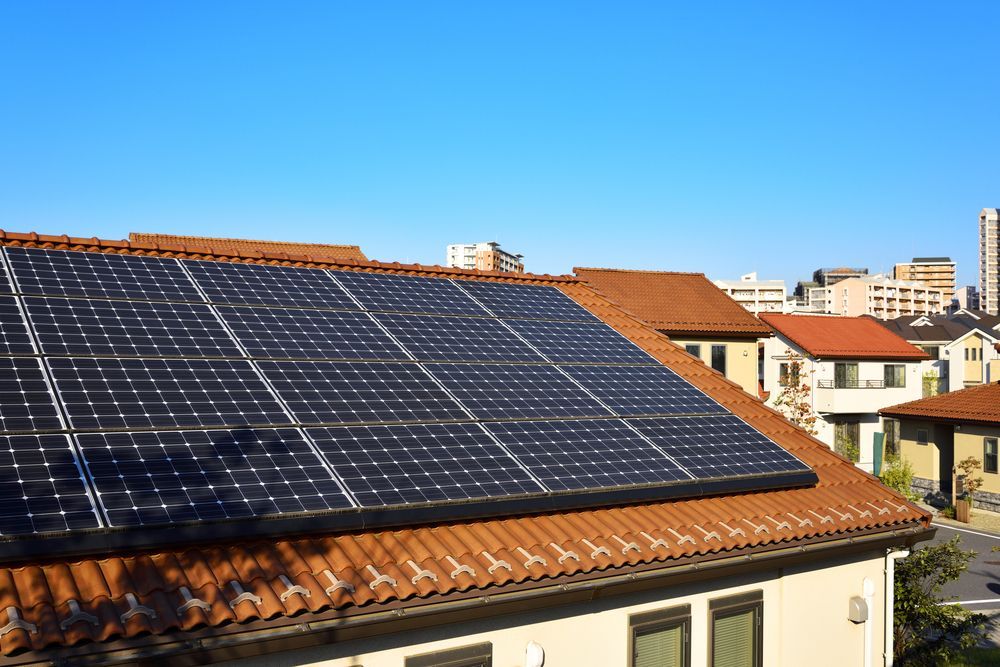
Roofs that face the sun for longer periods generally allow solar systems to produce more electricity. Installers assess roof orientation carefully during a solar consultation to determine the most effective panel placement.
Key orientation considerations include:
- North-facing roofs typically receive strong sunlight exposure during the day
- East & west-facing roofs can still generate useful solar energy
- Roof tilt angle influences how efficiently panels capture sunlight
- Installers evaluate roof direction to determine optimal panel placement
Understanding roof orientation helps ensure solar panels are positioned to generate consistent electricity across the day.
Sunlight Exposure: Why Shade-Free Roofs Are Ideal for Solar
Consistent sunlight exposure is one of the most important factors influencing solar performance. Even partial shading can reduce the amount of electricity produced by a solar system.
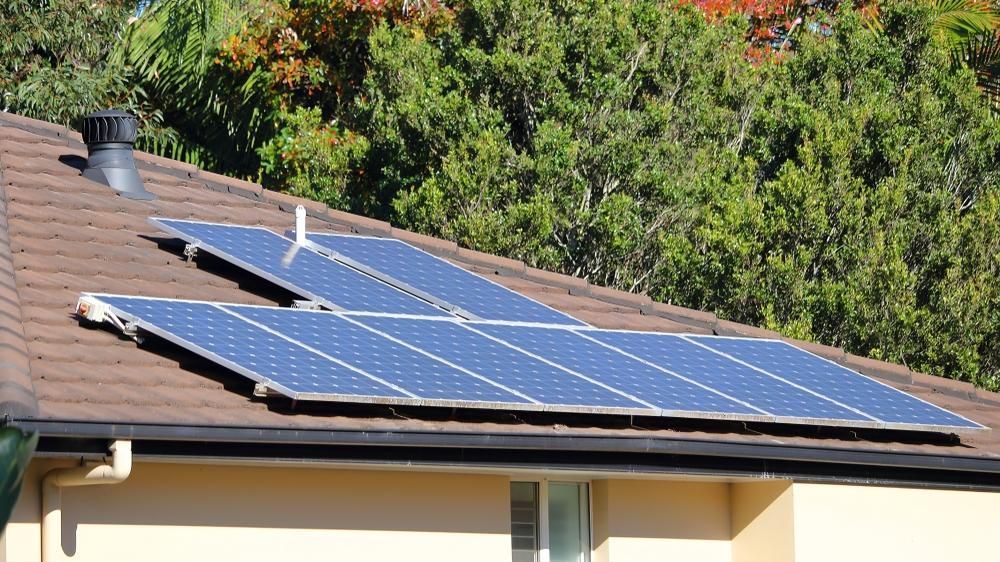
Nearby buildings, tall trees or roof structures may cast shadows over certain parts of the roof during the day. Solar installers typically evaluate these shading conditions to determine which areas of the roof receive the most sunlight.
Important sunlight considerations include:
- Panels perform best when exposed to uninterrupted sunlight
- Trees, chimneys & neighbouring structures can create shade
- Installers assess sunlight patterns throughout the day
- Panels are positioned on roof areas that receive consistent sunlight
Minimising shade helps ensure solar panels generate electricity efficiently throughout daylight hours.
Roof Space & Layout Can Determine Solar System Size
The size and layout of your roof influence how many solar panels can be installed. Larger roof areas generally allow for more panels, which may increase the potential energy output of the system.
Roof features, such as skylights, vents or air conditioning units can affect how panels are arranged. During the design stage, installers carefully plan panel placement to make the best use of available space.
Roof layout considerations often include:
- The amount of clear roof space available for panels
- Panel positioning around roof structures & features
- The ability to install panels in continuous rows
- Designing systems that maximise the available roof area
A well-designed layout ensures the solar system uses the roof space efficiently while maintaining proper installation clearances.
Energy Usage Patterns Can Make Solar a Smart Investment
Household energy consumption plays a significant role in determining the value of installing solar panels. Homes with consistent electricity use during daylight hours often benefit more from solar energy production.
When a solar system generates electricity at the same time the household is using power, it can reduce the amount of electricity drawn from the grid.
The energy usage factors that installers typically review include:
- Average electricity consumption across the year
- Daytime energy usage patterns within the home
- Appliance usage & energy demands
- Historical electricity bills used to estimate system size
Understanding energy use helps determine the appropriate solar system size for the property.
Rising Electricity Costs Often Prompt Homeowners to Consider Solar
Electricity costs have been a major factor encouraging households to explore renewable energy solutions. As power prices increase, many homeowners begin looking for ways to better manage energy expenses. Solar panels allow households to generate a portion of their own electricity, which can help offset the cost of grid power.
Financial considerations that often influence solar decisions include:
- Rising electricity prices across the energy market
- The opportunity to generate power from rooftop panels
- Reducing reliance on grid electricity during the day
- Long-term planning for household energy needs
For many homeowners, solar installation becomes part of a broader strategy to manage energy costs over time.
Roof Condition Matters Before Installing Solar Panels
Before installing solar panels, the condition of the roof must be assessed. Solar systems are typically installed for long-term use, so the underlying roof structure needs to be in good condition.
If a roof requires repairs or replacement in the near future, it may be more practical to address these issues before installing panels.
Roof condition checks often involve:
- Inspecting the structural integrity of the roof
- Evaluating the condition of roofing materials
- Identifying any areas that may require repairs
- Ensuring the roof can support mounting systems
These checks help ensure the solar installation can be safely secured and remain stable over time.
Modern Solar System Design Can Adapt to Different Homes
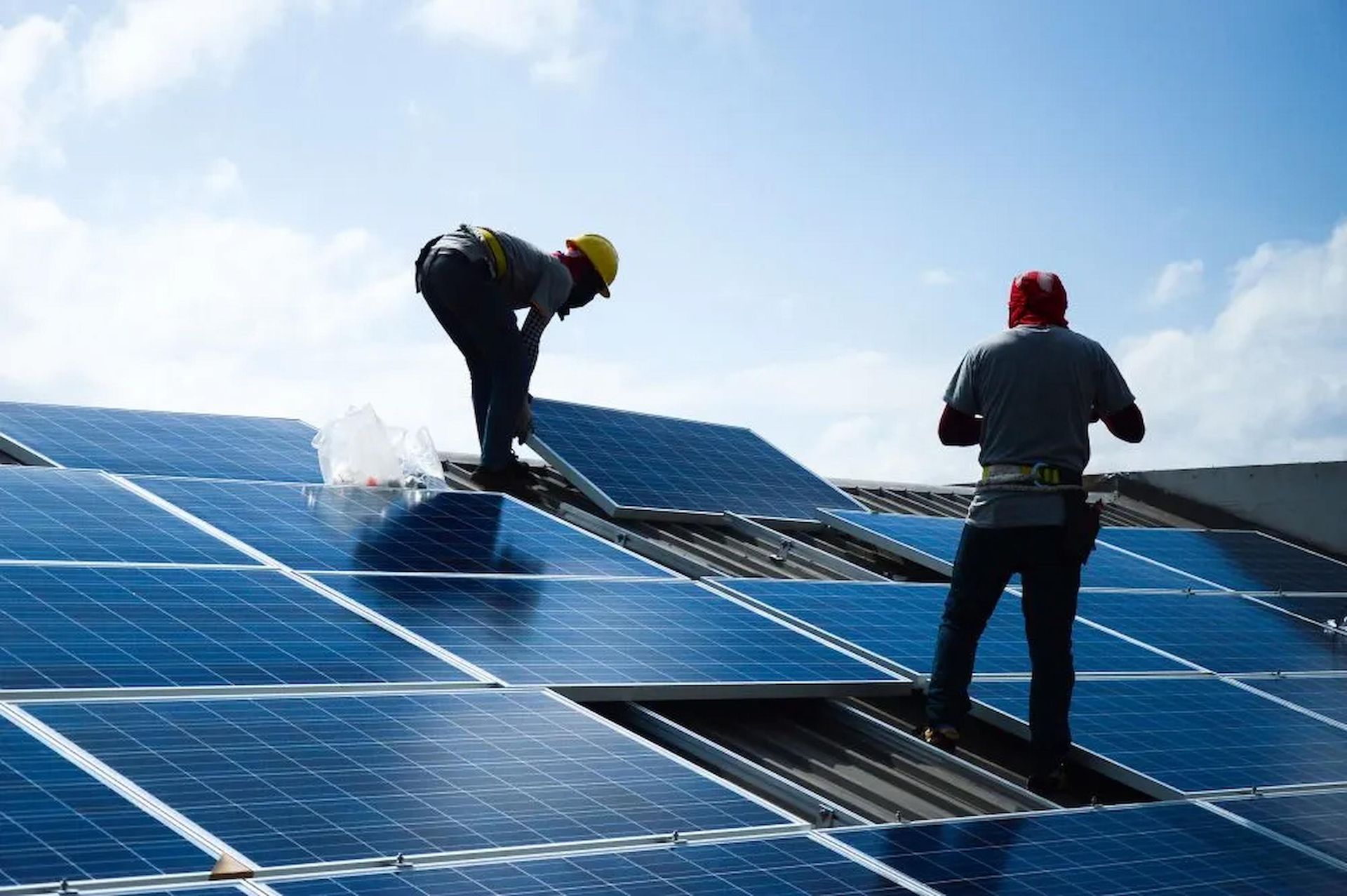
Solar systems can now be designed to suit a wide range of property layouts. Advances in panel technology, mounting systems and inverter design allow installers to adapt solar solutions to many roof configurations. Even homes with complex roof shapes or mixed orientations may still be suitable for solar installation with careful planning.
Flexible system design may involve:
- Custom panel layouts tailored to the roof structure
- Adjusting system size based on energy consumption
- Using modern inverter technology to optimise performance
- Designing installations that suit different roof materials
This flexibility allows solar installers to create systems that suit a variety of residential properties.
A Professional Solar Assessment Helps Confirm If Your Home Is Suitable
While general indicators can suggest whether a home is well-suited for solar panels, a professional assessment provides the most accurate evaluation. Solar installers review several factors during an on-site consultation to determine the best system design. A detailed assessment helps ensure the solar installation aligns with the property’s layout and the household’s energy needs.
A solar consultation may include:
- Reviewing roof orientation & sunlight exposure
- Measuring available roof space for panel installation
- Assessing roof structure & condition
- Analysing electricity usage to determine system size
These assessments help confirm whether installing
solar in Wollongong is a practical option for the property.
Discover If Your Home Is Ready for Solar
Installing solar panels can be an effective way to manage household energy use while generating electricity from renewable sources. Homes with suitable roof orientation, good sunlight exposure and adequate roof space often provide ideal conditions for solar installation. Understanding these factors helps homeowners determine whether their property may benefit from a solar system.
At SEP Electrical, we assess properties for solar in Wollongong, helping homeowners understand how solar panels could perform on their roof and guiding them through the installation process. If you are considering solar for your home, contact our team to arrange a consultation and learn more about your solar options.