Solar Rebates Wollongong Guide: NSW Solar Incentives Explained
Electricity prices and rising energy demand have encouraged many households and businesses to explore renewable energy options. Solar power is often one of the first solutions considered, particularly for property owners wanting to lower long-term electricity costs. Financial incentives and government programs have made this transition more achievable by reducing upfront installation expenses.
For those researching solar in Wollongong, understanding how rebates and incentives work can help clarify the real cost of installing a system. By learning how certificates, tariffs and system sizing affect overall savings, homeowners and businesses can make more informed decisions about solar installation.
Understanding Solar Rebates & Incentives Available in NSW
Government incentives are designed to encourage the adoption of renewable energy by reducing the upfront cost of installing solar systems. These incentives play a key role in making solar energy more accessible for households and businesses.
Solar rebates are typically provided through national programs that reward renewable energy generation. Instead of providing a direct cash payment after installation, the rebate is usually applied as a reduction in the initial system cost.
Solar incentives generally include:
- Programs that support renewable energy adoption
- Rebates that reduce the upfront cost of solar systems
- Incentives that help offset installation expenses
- Ongoing savings opportunities through energy generation
These programs are intended to support wider use of renewable energy while helping property owners reduce reliance on grid electricity.
How the Small-scale Technology Certificate (STC) Rebate Works
The Small-scale Technology Certificate scheme is one of the primary solar incentives available for residential and small commercial solar installations. When a solar power system is installed, it generates certificates based on the amount of renewable energy it is expected to produce over time. These certificates are created under the national renewable energy scheme and can be sold or assigned to help offset the cost of installation.
The STC rebate works by:
- Creating certificates when eligible solar systems are installed
- Calculating certificate values based on expected energy production
- Applying the certificate value as an upfront discount
- Reducing the total installation cost for the customer
Most solar installation providers apply the value of these certificates directly to the quoted system price, helping reduce the initial financial investment required.
How Solar Rebates Help Reduce Installation Costs for Homeowners
Solar rebates can significantly influence the affordability of installing a solar system. By lowering the upfront price of installation, rebates allow homeowners to access renewable energy systems with a smaller initial investment. Lower installation costs can shorten the time it takes for homeowners to recover their investment through electricity savings.
The financial benefits of rebates include:
- Upfront reductions in solar installation costs
- Lower barriers to adopting renewable energy
- Faster return on investment through electricity savings
- Increased accessibility for residential solar systems
These incentives can play a key role in helping households transition toward renewable energy systems that support long-term energy management.
Feed-in Tariffs: Earning Credits for Excess Solar Power
In addition to installation rebates, solar system owners may benefit from feed-in tariffs. These tariffs allow electricity generated by solar panels and exported to the grid to be credited to the system owner’s electricity account.
When a solar system produces more electricity than the property consumes, the excess power is sent to the electricity grid. Energy retailers may offer a credit for this exported electricity.
Feed-in tariffs generally involve:
- Measuring exported electricity through a compatible meter
- Receiving credits on electricity bills for excess energy
- Rates determined by electricity retailers
- Additional savings alongside solar energy usage
Feed-in tariffs help complement installation rebates by contributing to ongoing electricity savings.
Choosing the Right Solar System Size to Maximise Incentives
Solar system size can influence the rebate value and long-term energy savings. Larger systems typically generate more electricity, which may result in a higher number of STC certificates and greater upfront rebate value. However, the system’s size should also reflect the property’s energy consumption patterns to ensure the system performs efficiently.
When selecting system size, installers often consider:
- The household or business electricity usage
- The potential number of STC certificates generated
- Available roof space & panel placement
- Future energy needs, such as electric vehicles or battery storage
Balancing these factors helps ensure the system delivers practical energy output while taking advantage of available incentives.
Solar Installation Process & How Rebates Are Applied
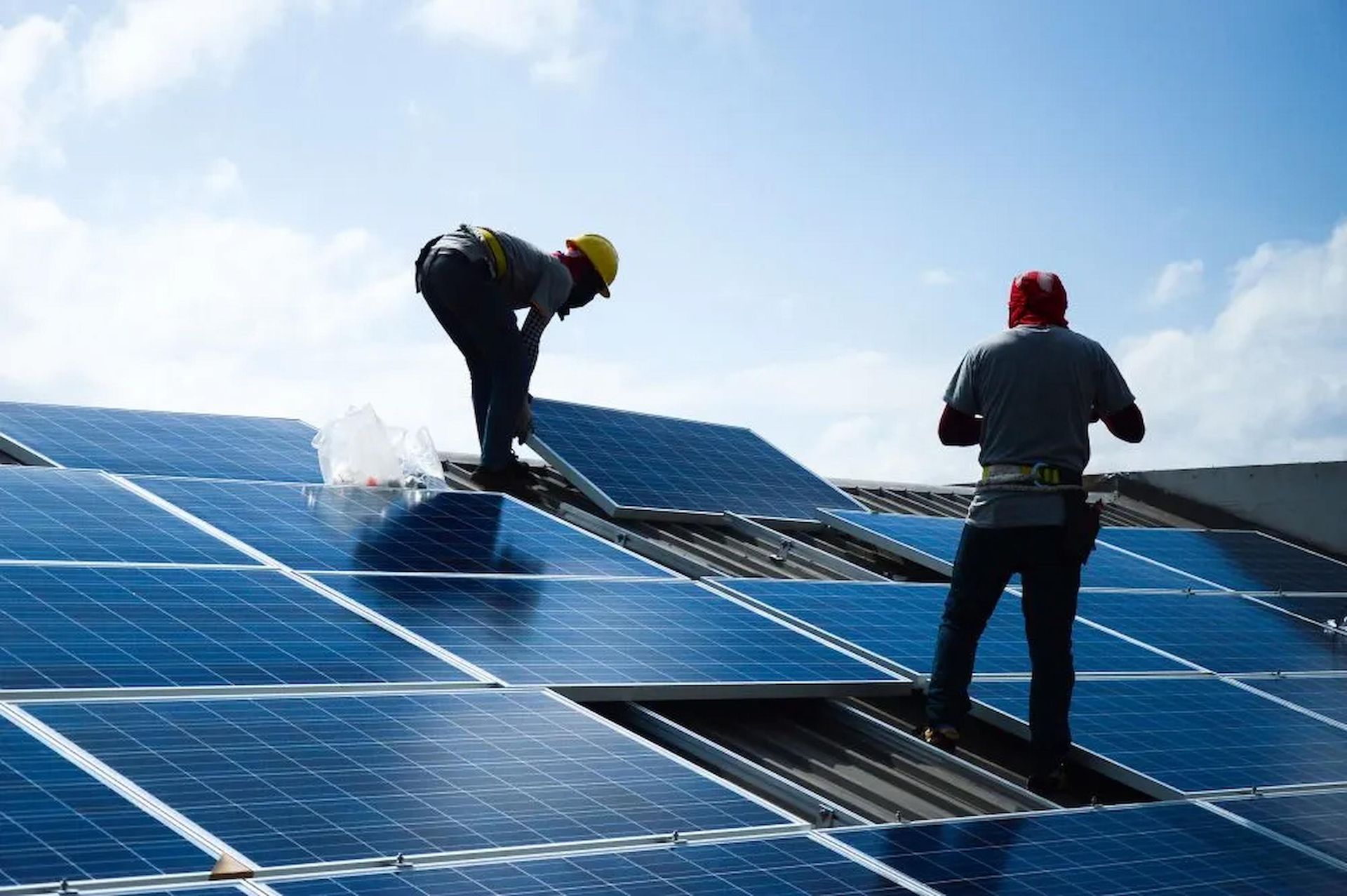
The solar installation process typically begins with an assessment of the property, followed by system design and quotation. During this stage, the value of the STC rebate is usually calculated and applied directly to the quote. This means customers generally see the discounted price before installation begins rather than claiming the rebate afterwards.
Key stages of the installation process include:
- Property assessment & solar system design
- Calculation of STC certificate value
- Applying the rebate as an upfront reduction
- Installing panels, inverter & system components
By incorporating the rebate during the quotation stage, solar installers simplify the process and provide clearer cost expectations for customers considering solar in Wollongong.
Solar for Small Businesses: Incentives That Support Energy Savings
Solar incentives are not limited to residential properties. Many small businesses are also eligible for rebates when installing solar systems. For businesses with significant daytime electricity use, solar power can help reduce operating costs by offsetting energy consumption.
Commercial solar systems can be designed to match business energy needs while benefiting from available incentive programs.
Potential advantages for businesses include:
- Access to STC rebates for eligible solar installations
- Reduced electricity expenses during business hours
- Improved control over energy costs
- Greater energy efficiency for commercial operations
Solar systems can help businesses better manage energy consumption while supporting sustainable energy practices.
Why Professional Guidance Matters When Accessing Solar Rebates
Navigating solar rebates and installation requirements can sometimes feel complex, particularly for property owners installing solar systems for the first time. Working with a qualified solar installer helps ensure that systems meet eligibility criteria and are designed correctly. Installers familiar with rebate processes can also assist with documentation and system design.
Professional support typically includes:
- Confirming eligibility for rebate programs
- Calculating STC certificate values during quoting
- Designing solar systems suited to the property
- Ensuring installation meets regulatory requirements
This guidance helps simplify the process and ensures solar systems are installed correctly while taking advantage of available incentives.
Making Solar Installation More Accessible
Solar rebates and incentive programs have made renewable energy more achievable for many property owners. By reducing installation costs and supporting long-term electricity savings, these programs help encourage the wider adoption of solar power systems. Understanding how certificates, feed-in tariffs and system sizing work together can help homeowners and businesses evaluate the financial benefits of installing solar.
At SEP Electrical, we assist homeowners and businesses considering solar in Wollongong, guiding customers through the rebate process while designing solar systems suited to local conditions and energy needs. If you’re exploring renewable energy options or would like a quote for a solar system, contact our team to discuss your project.