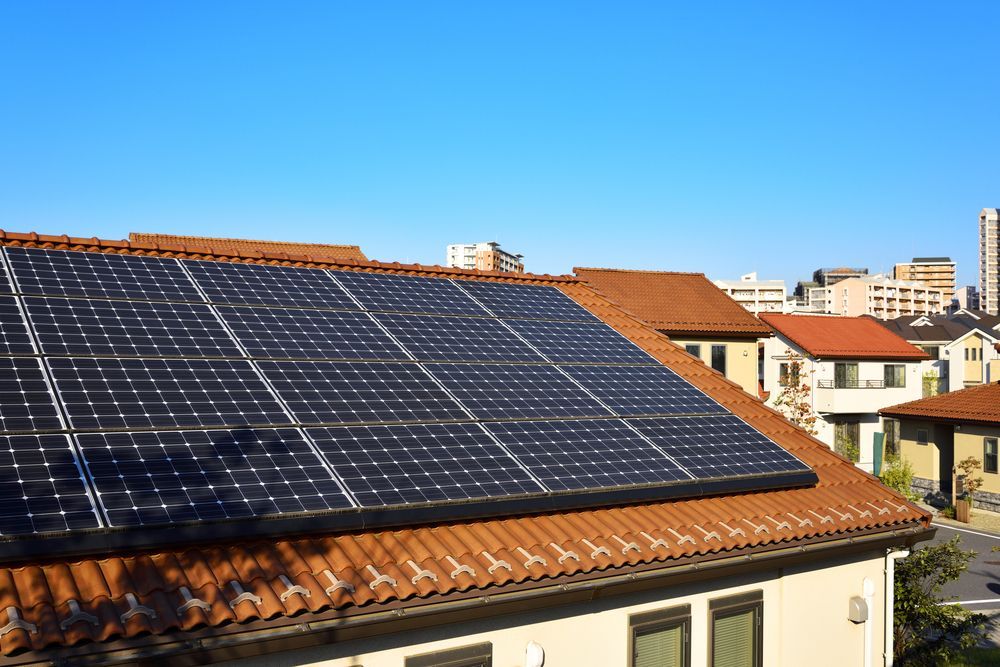
What To Do If Your Solar System Stops Working In Wollongong?

SEP Electrical Pty Ltd • April 21, 2026

There’s nothing quite as frustrating as expecting your solar system to quietly do its job, only to realise something isn’t right. Whether it’s a sudden drop in performance or a complete shutdown, solar issues can interrupt your energy savings and leave you unsure of what to do next. For homeowners and businesses relying on solar in Wollongong, these disruptions can be especially concerning.


Understanding how solar systems operate and what can go wrong makes it much easier to respond calmly and effectively. By recognising early warning signs and following a structured approach, you can identify common issues and decide when professional support is needed. Taking a measured approach also helps avoid unnecessary downtime and ensures your system continues delivering long-term value.

Recognising the Early Signs of a Solar System Issue

Solar systems rarely fail without warning. In most cases, there are small changes in performance that signal something isn’t working as it should. Paying attention to these early signs can help prevent more serious problems and reduce the risk of unexpected outages.


Common indicators include:


  • A gradual or sudden drop in energy output 
  • Warning lights or fault messages on the inverter 
  • Monitoring apps showing inconsistent or missing data 
  • Higher electricity bills despite similar usage 
  • Intermittent system shutdowns


Even subtle changes over time can indicate underlying faults developing within the system. This is particularly important for those with solar systems in Wollongong, where environmental conditions can influence performance over time.

Checking Your Inverter and System Display

The inverter plays a central role in your solar system, converting energy into usable electricity and providing key performance information. If something goes wrong, the inverter is often where the first clues appear.


Start by reviewing its status and any alerts:


  • Check for visible error codes or warning indicators 
  • Confirm the inverter is powered on and running 
  • Compare current output with typical performance levels 
  • Review system data through any monitoring platform 


Regularly checking your inverter can also help you become familiar with normal operating conditions, making it easier to spot irregularities quickly and respond before output is significantly affected.

Inspecting Your Switchboard and Safety Components

Electrical safety systems are designed to shut down power if a fault is detected. This means a solar system may stop working simply because a safety device has been triggered.


A quick inspection of your switchboard can reveal whether this is the case:


  • Look for tripped circuit breakers or isolators 
  • Reset switches if it is safe to do so 
  • Check for signs of heat damage or wear 
  • Ensure all solar-related switches are correctly positioned 


If the system continues to trip after resetting, it may indicate an underlying electrical issue that requires further assessment rather than repeated resets.

Considering Weather and Environmental Conditions

Solar systems are built to withstand outdoor conditions, but environmental factors can still impact their performance. Temporary disruptions may occur during certain weather events or seasonal changes.


It’s worth considering external influences before assuming a fault:


  • Heavy cloud cover reducing energy generation 
  • Storm activity causing temporary shutdowns 
  • Dirt, dust or debris covering panels 
  • Increased shading from trees or nearby structures 


These factors are especially relevant for solar in Wollongong, where coastal weather, salt exposure and changing conditions can affect efficiency over time.

Identifying Panel, Wiring or Connection Issues

If the inverter and switchboard appear to be functioning correctly, the issue may lie within the physical components of the system. Panels and wiring are exposed to the elements and can experience wear over time.


While inspections should be approached with care, some visible signs may point to a problem:


  • Cracked or damaged solar panels 
  • Loose or exposed wiring 
  • Corrosion around connections 
  • Build-up of debris affecting panel efficiency 


Even minor damage can affect overall output, and in some cases may worsen if left unattended. This makes early identification important for maintaining the performance of solar systems in Wollongong.

Understanding the Most Common Causes of Failure

Solar systems are designed for reliability, but faults can still occur due to a range of factors. Understanding the common causes can help you better interpret what’s happening and respond appropriately.


Typical reasons for system failure include:


  • Inverter malfunction or internal component failure 
  • Electrical faults within the system 
  • Installation-related issues becoming apparent over time 
  • Natural wear and ageing of components 
  • External damage from weather or environmental exposure 


Being aware of these causes allows for more informed decisions when troubleshooting and helps ensure issues are addressed efficiently.

Knowing When to Call a Professional Electrician

While basic troubleshooting can help identify simple issues, many solar faults require specialised knowledge to resolve safely. Attempting to fix complex electrical systems without proper training can create additional risks and lead to further damage.


Professional assistance is recommended when:


  • The system remains inactive after initial checks 
  • Fault codes continue to appear on the inverter 
  • Electrical components repeatedly trip 
  • Visible damage is present on panels or wiring 
  • Performance does not recover over time 


A qualified electrician can carry out a detailed inspection, identify the root cause and restore the system while ensuring compliance with safety standards and manufacturer requirements.

Preventative Maintenance for Reliable Performance

Routine maintenance plays an important role in keeping a solar system operating efficiently and reducing the likelihood of unexpected breakdowns. A proactive approach helps identify minor issues before they escalate into larger problems.


Ongoing care can include:


  • Regular inspections of system components 
  • Cleaning panels to maintain optimal efficiency 
  • Monitoring energy output for irregular patterns 
  • Checking electrical connections and system health 


Consistent maintenance not only improves performance but also supports the long-term reliability of your investment in solar in Wollongong, helping ensure systems continue to perform efficiently despite local environmental conditions.

Reach Out To Learn More

At SEP Electrical Pty Ltd, we understand how important it is to keep your solar system performing reliably, especially in Wollongong where coastal conditions and changing weather can impact long-term efficiency. Our team provides expert support for solar systems in Wollongong, helping diagnose faults, carry out repairs and maintain safe operation.
April 16, 2026
If you are comparing Solar Wollongong , Shellharbour , and Kiama , the good news is that all three areas can achieve strong solar performance. They are part of the same wider Illawarra coastal region, and local councils in Wollongong, Shellharbour, and Kiama are all involved in the Illawarra Shoalhaven Community Renewables Program, which reflects the region’s ongoing push toward cleaner and more affordable energy. The better question is not simply which suburb gets “the best” results, but which property is best suited to solar . In real-world installations, results are shaped far more by roof orientation, shading, system design, available roof space, and household energy usage than by whether the property is located in Wollongong, Shellharbour, or Kiama. The Clean Energy Council’s grid-connected solar design guidelines specifically require site-specific consideration of shading, orientation, tilt, and expected energy yield, which is exactly why professional system design matters. For homeowners and businesses deciding where solar performs best, Solar Wollongong often stands out from a service and search perspective because of the area’s size, broad mix of homes and commercial properties, and the level of local demand for tailored solar solutions. At SEP Electrical, Solar Wollongong is a core service area, with custom system design, installation, repairs and battery solutions all built around local property needs. The Short Answer: Which Area Gets the Best Solar Results? In most cases, there is no dramatic performance gap between Wollongong, Shellharbour, and Kiama . They are geographically close, share similar coastal conditions, and all sit within the same broader regional solar conversation. That means a well-designed system in Shellharbour can outperform a poorly designed system in Wollongong, and a shaded roof in Kiama may produce less than a well-positioned roof in either of the other two locations. That said, Wollongong is often the strongest overall market for solar because it has a larger and more varied property base, from family homes to investment properties and small commercial sites. From an SEO and business perspective, this makes Solar Wollongong the most important keyword hub, while Shellharbour and Kiama work best as supporting local relevance signals that reinforce SEP Electrical’s wider regional authority. Why Solar Wollongong Is Such a Strong Search and Service Opportunity Feed-in tariffs have steadily decreased, meaning homeowners are now receiving less for the energy they export. This shift has changed how many households approach solar energy use. Key impacts of changing tariffs include: Lower returns on exported solar power Greater emphasis on using energy within the home Reduced financial benefit from sending excess energy to the grid Increased interest in storing energy for later use For those searching for solar options in Wollongong, this change has made battery systems a more practical consideration, as storing energy often delivers more value than exporting it. Understanding the Upfront Cost of Solar Batteries Cost is one of the most important factors when deciding whether to install a solar battery. Prices vary depending on system size, brand, and installation requirements. Typical cost factors include: Battery capacity and storage size Installation complexity and system compatibility Inverter requirements or upgrades Ongoing servicing or maintenance While the initial investment can be significant, it is important to assess value over time rather than focusing only on upfront cost. Solar Batteries systems that Wollongong homeowners consider are often evaluated based on long-term savings and energy control. How Solar Batteries Reduce Reliance on Grid Electricity One of the main advantages of a solar battery is reducing dependence on the grid. By storing energy for later use, households can avoid drawing electricity during peak pricing periods. This can lead to: Lower electricity bills over time Reduced exposure to rising energy costs Greater control over when energy is used Improved efficiency of existing solar systems For homeowners exploring Solar batteries in Wollongong , the ability to use stored energy instead of purchasing electricity at higher rates is often a key benefit. When a Solar Battery Makes Financial Sense Solar batteries are not a one-size-fits-all solution. Their value depends on how energy is used within the home and how much excess solar energy is generated. A battery may be more suitable for households that: Use most of their electricity in the evening Export large amounts of unused solar energy during the day Have higher electricity usage overall Want to reduce reliance on external energy sources When these factors align, a battery can improve overall system efficiency and contribute to long-term cost savings. The Importance of Understanding Energy Usage Patterns Before installing a battery, it is important to understand how energy is used throughout the day. This helps determine whether stored energy will be used effectively. Key considerations include: Peak energy usage times within the household Whether appliances are used during daylight or evening hours Seasonal changes in electricity demand Overall consumption levels For homes already using solar systems in Wollongong , reviewing energy usage patterns can highlight opportunities to make better use of stored power. Long-Term Value, Lifespan and Technology Improvements Solar batteries are designed to deliver value over time, but they do have a finite lifespan. Understanding how long they last and how they perform is essential when evaluating their overall worth. Important long-term considerations include: Battery lifespan and warranty coverage Efficiency of charging and discharging cycles Future improvements in battery technology Potential changes in energy pricing As technology continues to improve, battery systems are becoming more efficient and accessible. Homeowners considering Solar battery options may find that newer systems offer better performance and longer-term value compared to earlier models. Over time, improved battery chemistry and smarter energy management systems are expected to enhance storage capacity and reliability. This means homeowners may benefit not only from current savings but also from future advancements that increase system efficiency. Evaluating long-term performance alongside evolving technology can help ensure the investment remains practical and relevant for years to come. Government Incentives and Future Energy Trends Government policies and incentives can influence the cost and accessibility of solar battery systems. While availability may vary, these programs can help reduce the financial barrier to installation. Relevant factors include: Rebates or incentive programs Changes to energy regulations Increased focus on renewable energy adoption Growing demand for energy independence As the energy landscape evolves, solar batteries are likely to become a more common feature in residential systems. Planning can help homeowners take advantage of future opportunities. Get in Touch Today At SEP Electrical , we understand that homeowners in Wollongong are looking for practical ways to manage rising electricity costs while making the most of their solar systems. Solar batteries can help improve how energy is stored and used, particularly as feed-in tariffs continue to change and energy demands evolve. Our team provides tailored advice and professional installation services to help you determine whether a solar battery system is the right fit for your home. Get in touch with our team today on 0412 614 193 to book your consultation, or leave us a message on our website, and we’ll be in touch to arrange a time that suits you.
By SEP Electrical March 26, 2026
Electricity costs have become a growing concern for many households, particularly as pricing structures evolve and feed-in tariffs continue to shift. For homeowners who already have solar installed, the question is no longer just about generating energy, but how to use it more effectively. This is where solar batteries are increasingly entering the conversation. Rather than exporting excess energy back to the grid for a reduced return, battery systems allow households to store and use their own power when it is needed most. While this sounds practical, the decision to install a solar battery involves more than just convenience. Costs, usage patterns and long-term value all play a role. Understanding how these systems work and where they deliver real benefits can help homeowners decide whether a battery is a worthwhile addition in 2026. How Solar Batteries Work with Existing Solar Systems Solar batteries are designed to capture excess energy generated during the day and store it for later use. Instead of sending unused energy back to the grid, it is retained and used when solar panels are no longer producing power. In a typical setup, solar batteries: Store surplus electricity generated during daylight hours Supply stored energy during the evening or at night Reduce reliance on grid electricity during peak periods Support more consistent and controlled energy usage For homes already using solar systems in Wollongong and surrounding regions, a battery shifts the focus from exporting energy to maximising self-use. This process can make the entire system more efficient without increasing energy generation. The Changing Value of Feed-In Tariffs Feed-in tariffs have steadily decreased, meaning homeowners are now receiving less for the energy they export. This shift has changed how many households approach solar energy use. Key impacts of changing tariffs include: Lower returns on exported solar power Greater emphasis on using energy within the home Reduced financial benefit from sending excess energy to the grid Increased interest in storing energy for later use For those searching for solar options in Wollongong, this change has made battery systems a more practical consideration, as storing energy often delivers more value than exporting it. Understanding the Upfront Cost of Solar Batteries Cost is one of the most important factors when deciding whether to install a solar battery. Prices vary depending on system size, brand, and installation requirements. Typical cost factors include: Battery capacity and storage size Installation complexity and system compatibility Inverter requirements or upgrades Ongoing servicing or maintenance While the initial investment can be significant, it is important to assess value over time rather than focusing only on upfront cost. Solar Batteries systems that Wollongong homeowners consider are often evaluated based on long-term savings and energy control. How Solar Batteries Reduce Reliance on Grid Electricity One of the main advantages of a solar battery is reducing dependence on the grid. By storing energy for later use, households can avoid drawing electricity during peak pricing periods. This can lead to: Lower electricity bills over time Reduced exposure to rising energy costs Greater control over when energy is used Improved efficiency of existing solar systems For homeowners exploring Solar batteries in Wollongong , the ability to use stored energy instead of purchasing electricity at higher rates is often a key benefit. When a Solar Battery Makes Financial Sense Solar batteries are not a one-size-fits-all solution. Their value depends on how energy is used within the home and how much excess solar energy is generated. A battery may be more suitable for households that: Use most of their electricity in the evening Export large amounts of unused solar energy during the day Have higher electricity usage overall Want to reduce reliance on external energy sources When these factors align, a battery can improve overall system efficiency and contribute to long-term cost savings. The Importance of Understanding Energy Usage Patterns Before installing a battery, it is important to understand how energy is used throughout the day. This helps determine whether stored energy will be used effectively. Key considerations include: Peak energy usage times within the household Whether appliances are used during daylight or evening hours Seasonal changes in electricity demand Overall consumption levels For homes already using solar systems in Wollongong , reviewing energy usage patterns can highlight opportunities to make better use of stored power. Long-Term Value, Lifespan and Technology Improvements Solar batteries are designed to deliver value over time, but they do have a finite lifespan. Understanding how long they last and how they perform is essential when evaluating their overall worth. Important long-term considerations include: Battery lifespan and warranty coverage Efficiency of charging and discharging cycles Future improvements in battery technology Potential changes in energy pricing As technology continues to improve, battery systems are becoming more efficient and accessible. Homeowners considering Solar battery options may find that newer systems offer better performance and longer-term value compared to earlier models. Over time, improved battery chemistry and smarter energy management systems are expected to enhance storage capacity and reliability. This means homeowners may benefit not only from current savings but also from future advancements that increase system efficiency. Evaluating long-term performance alongside evolving technology can help ensure the investment remains practical and relevant for years to come. Government Incentives and Future Energy Trends Government policies and incentives can influence the cost and accessibility of solar battery systems. While availability may vary, these programs can help reduce the financial barrier to installation. Relevant factors include: Rebates or incentive programs Changes to energy regulations Increased focus on renewable energy adoption Growing demand for energy independence As the energy landscape evolves, solar batteries are likely to become a more common feature in residential systems. Planning can help homeowners take advantage of future opportunities. Get in Touch Today At SEP Electrical , we understand that homeowners in Wollongong are looking for practical ways to manage rising electricity costs while making the most of their solar systems. Solar batteries can help improve how energy is stored and used, particularly as feed-in tariffs continue to change and energy demands evolve. Our team provides tailored advice and professional installation services to help you determine whether a solar battery system is the right fit for your home. Get in touch with our team today on 0412 614 193 to book your consultation, or l eave us a message on our website, and we’ll be in touch to arrange a time that suits you.
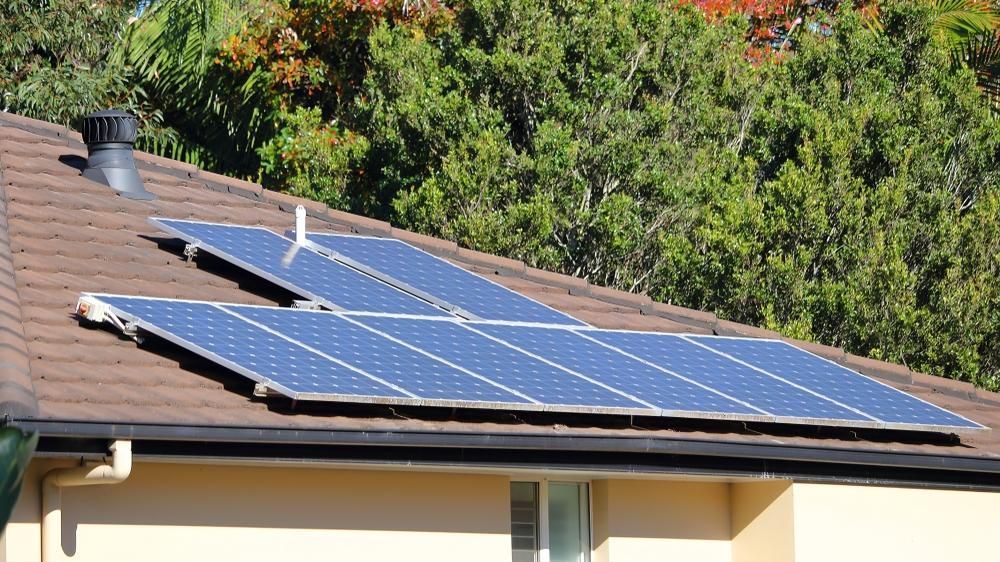
Solar panels on a residential roof.
By SEP Electrical Pty Ltd March 24, 2026
Keep your solar system running at peak efficiency with expert tips from SEP Electrical Pty Ltd in Wollongong. Book your solar check today for peak output!
More Posts