How to Maintain Your Solar System for Maximum Efficiency
Installing a solar system is a long-term investment that can significantly reduce energy costs and improve sustainability for both homes and businesses. However, like any major system, solar panels require ongoing care to ensure they continue operating efficiently over time.
Without proper upkeep, factors such as dirt build-up, weather exposure and component wear can reduce performance and limit the energy your system generates. For property owners using Solar in Wollongong, understanding how to maintain your system is essential for protecting your investment and maximising returns.
This guide provides practical, easy-to-follow tips to help you maintain your solar system for optimal performance and longevity.
Why Solar Maintenance Is Important
Solar systems are designed to be durable and low maintenance, but they are not completely maintenance-free. Over time, environmental factors and general wear can affect performance. Regular solar maintenance helps:
- Maximise energy production
- Extend the lifespan of panels & components
- Identify & address issues early
- Maintain system safety & compliance
Even a small drop in efficiency can add up over time, especially for households or businesses relying heavily on
solar energy.
Keep Your Solar Panels Clean
One of the most effective ways to maintain your solar system is to keep the panels clean. Solar panels rely on direct sunlight to generate electricity, so any obstruction can reduce output.
What Causes Build-Up on Panels?
Common substances that can accumulate on panels include:
- Dust & dirt
- Bird droppings
- Leaves & debris
- Airborne pollution
- Salt residue in coastal areas
In regions like Wollongong, environmental factors such as coastal air and changing weather conditions can contribute to the build-up over time.
How Cleaning Affects Efficiency
Dirty panels can reduce energy output by limiting the amount of sunlight reaching the cells. In some cases, heavy build-up may cause noticeable drops in performance.
Regular cleaning as part of your solar maintenance routine helps ensure your system continues to generate electricity efficiently.
Safe Cleaning Tips
If you choose to clean your panels yourself:
- Use a soft brush or sponge with clean water
- Avoid harsh chemicals or abrasive tools
- Clean during cooler parts of the day (early morning or late afternoon)
- Ensure safe access to the roof before attempting any cleaning
If your panels are difficult to reach or heavily soiled, professional cleaning services may be the safer option.
Monitor Your System’s Energy Output
Monitoring your solar system is one of the easiest ways to detect potential issues early.
Most modern systems include monitoring apps or display panels that show real-time energy production. Regularly reviewing this data helps you understand how your system is performing.
What Should You Look For?
Keep an eye out for:
- Sudden drops in energy production
- Inconsistent output compared to previous months
- Lower-than-expected performance during sunny weather
If your solar in Wollongong is not producing as expected, it may indicate a problem that requires further investigation.
Check for Shading & Obstructions
Solar panels perform best when they receive consistent, direct sunlight throughout the day. However, shading can develop over time due to:
- Tree growth
- New structures or extensions
- Debris accumulation on panels
Even partial shading on one panel can affect the performance of the entire system, particularly in older systems without optimisers.
How to Manage Shading
- Trim nearby trees regularly
- Remove debris such as leaves or branches
- Check for new sources of shade throughout the year
Maintaining clear exposure to sunlight is an important part of effective solar maintenance.
Inspect Key System Components
A solar system includes more than just panels. Several other components work together to generate and manage electricity. Important components include:
- Inverter (converts solar energy into usable electricity)
- Mounting system (secures panels in place)
- Wiring & electrical connections
- Switches & isolators
What to Look For During Visual Checks
While detailed inspections should be left to professionals, property owners can look for obvious signs, such as:
- Loose or damaged panels
- Visible wear on cables
- Dirt or debris around system components
- Unusual noises from the inverter
Regular checks can help identify potential issues before they affect performance.
Pay Attention to Your Inverter
The inverter is one of the most important parts of your solar system. It converts the energy generated by your panels into electricity that can be used in your home or business. If the inverter is not functioning properly, your system may not produce usable power.
Signs of Inverter Issues
- Error messages or warning lights
- Reduced or no power output
- Unusual sounds or overheating
If you notice any of these signs, it may be time to arrange professional solar maintenance to assess the system.
Watch for Warning Signs of System Problems
Solar systems often provide early warning signs when something is not working correctly. Common indicators include:
- Unexpected increases in electricity bills
- Lower energy output than usual
- System alerts or fault notifications
- Physical damage to panels or mounting systems
Addressing these issues early can help prevent more significant problems and costly repairs. For those using solar in Wollongong, early intervention is key to maintaining consistent performance.
Schedule Professional Inspections
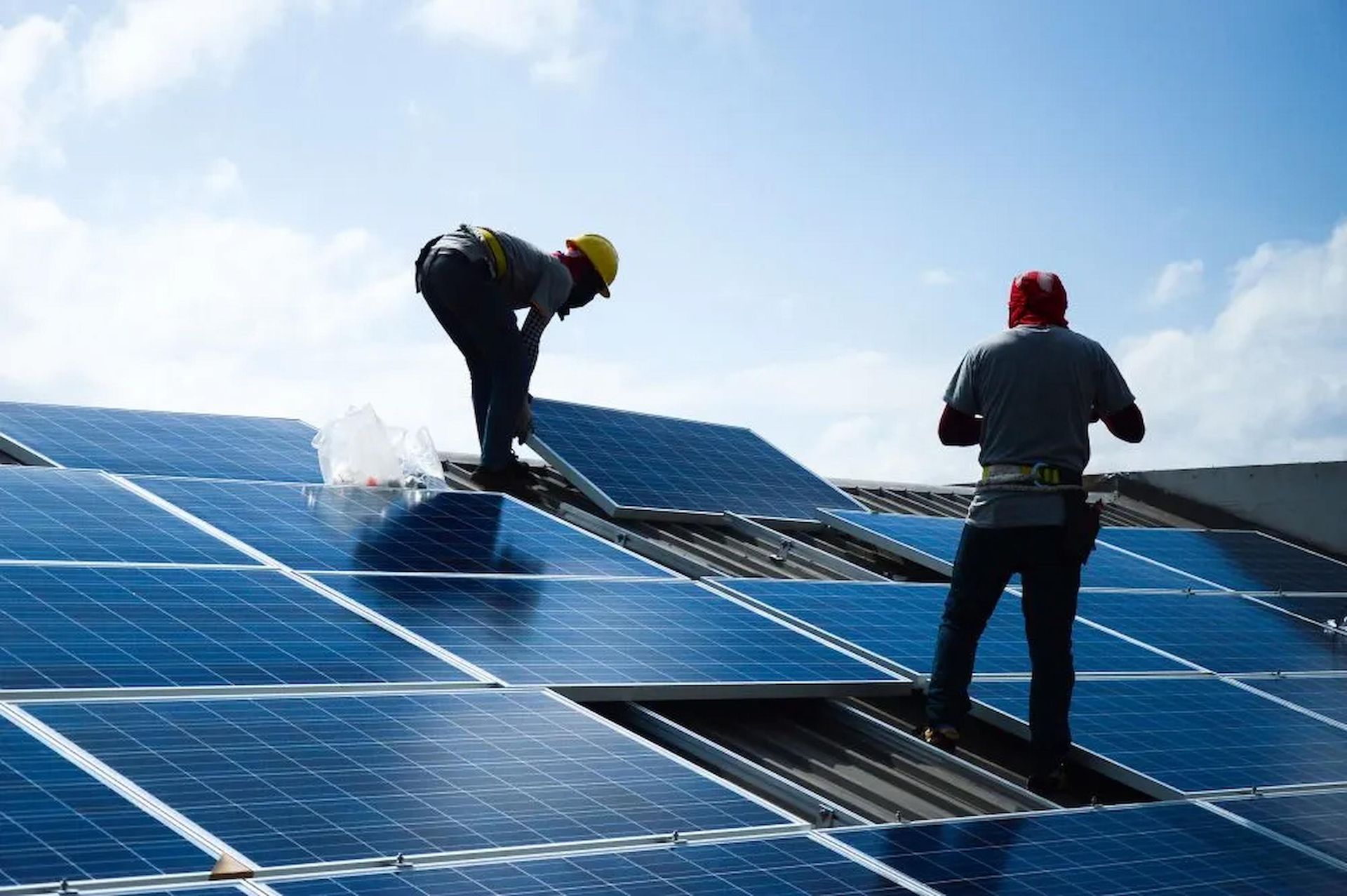
While routine maintenance tasks can be handled by property owners, professional inspections are essential for long-term system health. Qualified technicians can perform detailed checks that are not visible during basic inspections.
What Professional Maintenance Includes
- Electrical system testing
- Inverter performance checks
- Inspection of wiring & connections
- Panel condition assessment
- Safety compliance checks
Scheduling periodic professional solar maintenance helps ensure your system continues to operate safely and efficiently.
Consider Seasonal Maintenance
Different seasons can affect solar system performance in different ways.
Summer
- Higher temperatures may reduce panel efficiency slightly
- Dust and dry conditions may increase build-up
Winter
- Reduced sunlight hours may lower overall output
- Storms may cause debris accumulation or damage
Adjusting your maintenance routine based on seasonal conditions can help maintain consistent performance throughout the year.
Protect Your Solar Investment
A well-maintained solar system can provide reliable energy for many years. However, neglecting maintenance can reduce efficiency and lead to avoidable repairs. By staying proactive, property owners can:
- Extend the lifespan of their system
- Maintain strong energy output
- Avoid unexpected breakdowns
- Protect long-term savings
For those investing in solar in Wollongong, regular care helps ensure the system continues to deliver value over time.
Simple Maintenance Habits That Make a Difference
Maintaining your solar system does not require complex processes. Simple habits can have a significant impact on performance. These include:
- Checking system output regularly
- Keeping panels clean
- Monitoring for shading
- Addressing issues promptly
- Scheduling professional inspections
Consistency is key when it comes to effective solar maintenance.
Keep Your Solar System Performing at Its Best
Your solar system is designed to deliver reliable, long-term energy savings — but only if it is properly maintained. By taking a proactive approach to cleaning, monitoring and inspections, you can help ensure your system continues to perform efficiently.
If you want to maximise the benefits of your system, working with professionals experienced in solar can help ensure your solar setup remains safe, efficient and built for long-term performance.
With the right maintenance routine, your solar system can continue to power your home or business effectively for years to come. Contact SEP Electrical to book a service!.