How Big Should Your Solar System Be? Sizing Solar For Wollongong Homes
The right solar system size depends on how much electricity your household uses, when you use it, your available roof space and your future energy needs. For homeowners considering solar in Wollongong, a 6.6kW, 8kW or 10kW system may be suitable, but bigger isn't automatically better.
At SEP Electrical, we help homeowners understand what their property needs before choosing a solar system. Rather than focusing solely on the number of panels, it's important to consider your electricity bills, roof conditions and whether you plan to add a battery or electric vehicle in the future.
Why System Size Matters More Than Panel Count
Solar system size is measured in kilowatts (kW), which describes the combined rated capacity of the solar panels under standard test conditions. The number of panels required depends on the wattage of each individual panel. For example, a 6.6kW system could use 15 panels rated at 440 watts each. Another system might achieve a similar capacity using a different number of higher or lower wattage panels.
However, the total panel capacity doesn't tell you exactly how much electricity your system will generate. Actual output depends on sunlight, shading, roof orientation, temperature and system performance.
A larger system may generate more electricity overall, but that additional energy isn't necessarily useful if your household consumes relatively little during daylight hours and cannot export all the surplus.
The goal is to match system capacity to your household's electricity requirements, not simply install the maximum number of panels that fit.
Using Your Electricity Bill to Work Out Daily Usage
Your electricity bill is one of the best starting points for choosing a solar system size. Most bills show electricity consumption in kilowatt-hours (kWh), either as a total for the billing period or an average daily figure.
If your bill shows total consumption, divide that figure by the number of days covered to estimate your average daily usage.
For example, if a household uses 900kWh over 90 days, its average electricity consumption is approximately 10kWh per day. This gives you a useful starting point, although it doesn't reveal when that electricity is being used.
Timing matters because solar panels generate electricity during daylight hours. A household with people working from home may use more solar electricity directly than one where most energy consumption occurs after sunset.
It's also worth reviewing several bills rather than relying on a single quarter. Summer air conditioning, winter heating and changes in household occupancy can create significant seasonal differences.
When planning Wollongong solar installations, we consider these usage patterns alongside the property's roof conditions and the household's future plans.
How Your Roof and Local Sunlight Affect Output
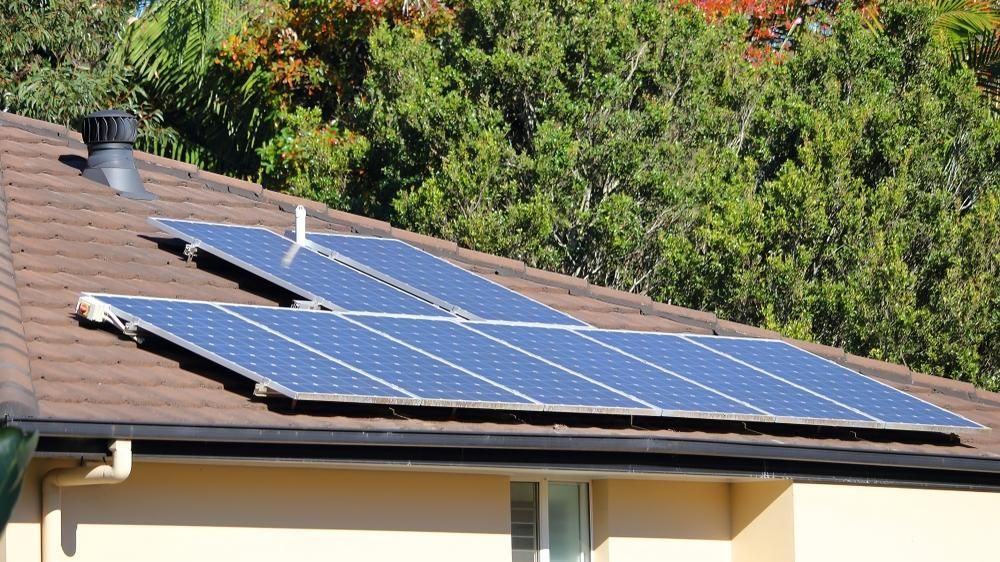
Two Wollongong homes with identical solar systems can generate different amounts of electricity because of their roof orientation, shading and available sunlight.
North-facing panels generally provide strong overall annual generation in Australia, while east-facing and west-facing panels produce more electricity during the morning and afternoon respectively.
An east-west arrangement may suit a household that uses electricity across different parts of the day. The most appropriate layout depends on the roof and the homeowner's consumption patterns.
Shading is another important consideration. Trees, neighbouring buildings, chimneys and other roof structures can reduce output, particularly when shadows affect panels during peak sunlight hours.
Wollongong's coastal conditions also make suitable equipment selection and installation important. Roof exposure, wind conditions and proximity to salt air should be considered when choosing components and mounting systems.
Homes in nearby areas such as Dapto may have different roof layouts and shading conditions. We provide solar panels in Dapto, delivering a local option for homeowners considering an installation.
Common System Sizes for Wollongong Homes: 6.6kW, 8kW and 10kW
Several system sizes are commonly considered for residential properties, but the right choice depends on electricity consumption and available installation space.
6.6kW Solar Systems
A 6.6kW system is a common residential option for households with moderate electricity needs. It may suit families looking to offset a meaningful portion of their daytime consumption without installing a particularly large array. However, a household that uses substantial electricity for heating, cooling or other appliances may benefit from considering a larger system.
8kW Solar Systems
An 8kW system may suit households with higher electricity usage, larger families or plans to increase daytime consumption. It can also provide additional generation capacity for homeowners considering future electrical upgrades, provided their roof and network connection can accommodate the proposed installation.
10kW Solar Systems
A 10kW system may be appropriate for larger households, properties with substantial electricity demand or homeowners planning for electric vehicles and battery storage. However, installing 10kW of panels doesn't mean the household will continuously receive 10kW of usable power. Actual production changes throughout the day, and inverter capacity may limit peak AC output. A larger system should therefore be justified by realistic energy needs and a suitable system design.
For homeowners interested in financial returns rather than capacity alone, our guide to how long solar takes to pay for itself explores that separate consideration.
Inverter Sizing and Network Export Limits
Solar panels generate direct current (DC) electricity, while your home's electrical system generally uses alternating current (AC). The inverter converts the electricity into a usable form.
Your inverter's rated capacity doesn't always need to match the combined panel capacity exactly. For example, a 6.6kW panel array may be paired with a 5kW inverter where the design and applicable connection requirements allow it.
This arrangement can make practical use of available inverter capacity across different sunlight conditions, although some potential generation may be limited during periods of peak output.
Network export limits are another important consideration. Your electricity distributor may restrict how much surplus solar electricity can be sent back into the grid. These limits depend on the network connection, approved system configuration and applicable requirements. They are not necessarily the same as your solar panel capacity.
In some cases, export controls can limit electricity sent to the grid while allowing the household to use more of its own solar generation. At SEP Electrical, we consider inverter selection and applicable network requirements when planning a system, so homeowners understand how the proposed installation will operate.
Planning Ahead for Batteries, EVs and a Growing Household
Your electricity needs may change significantly over the life of a solar system. Planning for these changes early can help you avoid choosing a system that becomes undersized as your household grows.
A future electric vehicle, additional air conditioning or a larger family can all increase electricity consumption. However, the timing of that usage is just as important as the total amount. If you expect to charge an EV at home during the day, additional solar capacity may be useful. If charging mostly occurs overnight, you may need to consider other arrangements, including charging schedules or battery storage.
Homeowners considering solar battery installation should also think about how much surplus electricity their panels are likely to produce. A battery stores available energy; it doesn't create additional generation. Battery capacity, inverter compatibility and your household's evening electricity demand all influence whether the proposed system is suitable.
Some properties may also require electrical infrastructure changes to accommodate new equipment. A switchboard upgrade may be necessary where the existing installation cannot safely support the proposed additions.
Discussing future plans before installing solar can help identify these requirements and inform a more suitable system design.
Why Choose SEP Electrical for Solar in Wollongong?
Choosing the right solar system involves more than comparing panel capacities. Your electricity consumption, roof layout, inverter configuration and future energy needs should all contribute to the final recommendation.
At SEP Electrical, we take these factors into account when discussing residential solar installations. We can help you understand the differences between common system sizes and consider how a proposed installation would suit your property.
Whether you're comparing 6.6kW and 8kW systems or planning for a larger household with future battery storage, the aim is to choose a system that matches your needs rather than paying for unnecessary capacity.
If you're considering solar in Wollongong, contact us at SEP Electrical to discuss your electricity usage, roof conditions and preferred system size.
Request a quote through our website and take the next step towards a solar installation designed around your home.